Surprise Medical Bills: Your Rights and How to Fight Back
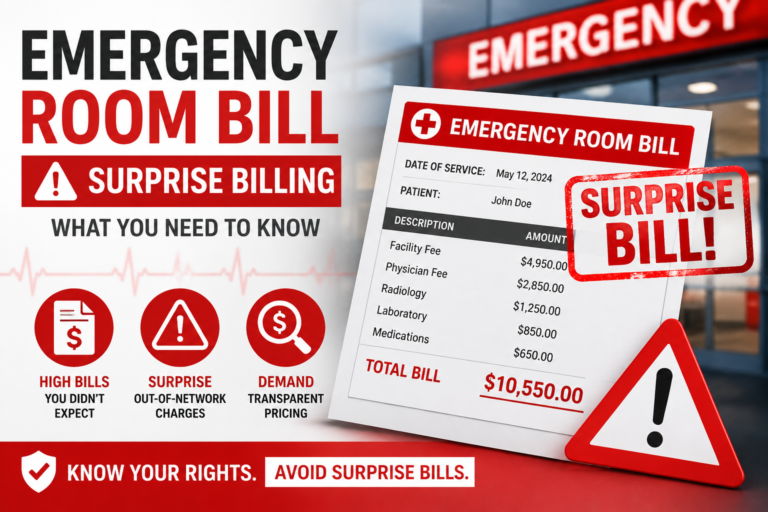
You went to an in-network hospital for surgery. Everything seemed covered. Then a bill arrived from an out-of-network anesthesiologist or radiologist you never chose — for thousands of dollars.
This is surprise billing, and it’s one of the most infuriating things that happens in American healthcare. But federal law now protects you from many of these situations.
What Is the No Surprises Act?
The No Surprises Act went into effect January 1, 2022. It protects patients from surprise medical bills in several situations:
- Emergency care: You cannot be billed more than your in-network cost-sharing amount for emergency services, regardless of the provider’s network status
- Non-emergency care at in-network facilities: If you receive non-emergency care at an in-network hospital, out-of-network providers who treat you there cannot send you separate bills beyond your normal in-network cost-sharing
- Air ambulance services: Protected from surprise bills from out-of-network air ambulance companies
What the Law Doesn’t Cover
- Ground ambulance services (currently under review)
- Situations where you voluntarily chose an out-of-network provider with full knowledge
- Certain types of insurance not subject to the law
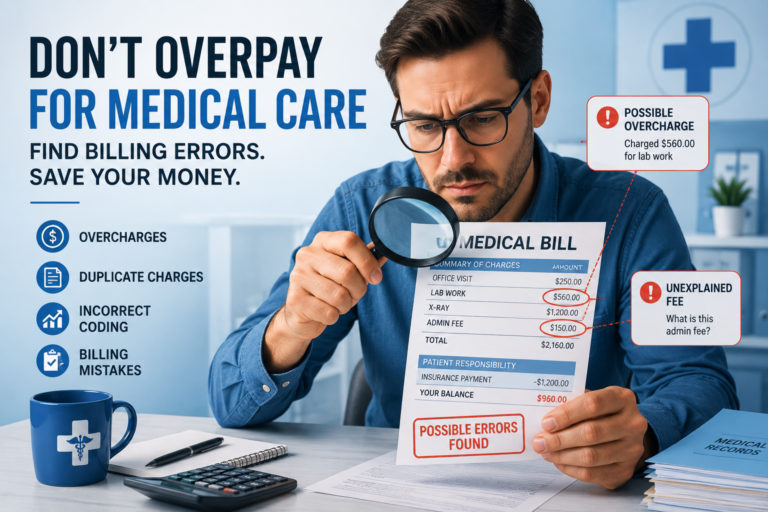
If You Receive a Surprise Bill Illegally
- Contact your insurance company — they should handle the dispute with the provider
- Contact the provider’s billing department and reference the No Surprises Act
- File a complaint at nosurprises.cms.gov (HHS complaint portal)
- Contact your state insurance commissioner
Independent Dispute Resolution
When providers and insurers can’t agree on payment for surprise bills, they can use federal Independent Dispute Resolution (IDR). You are not involved in this process — it’s between the insurer and provider. Your only obligation is your in-network cost-sharing amount.
Consent and Disclosure Rules
Providers must give you a good faith cost estimate before scheduled services. They must get your written consent before billing you out-of-network (with limited exceptions for emergencies). If they violated these rules, you have grounds to dispute the bill.