How to Appeal a Health Insurance Denial: Step-by-Step Guide for 2026
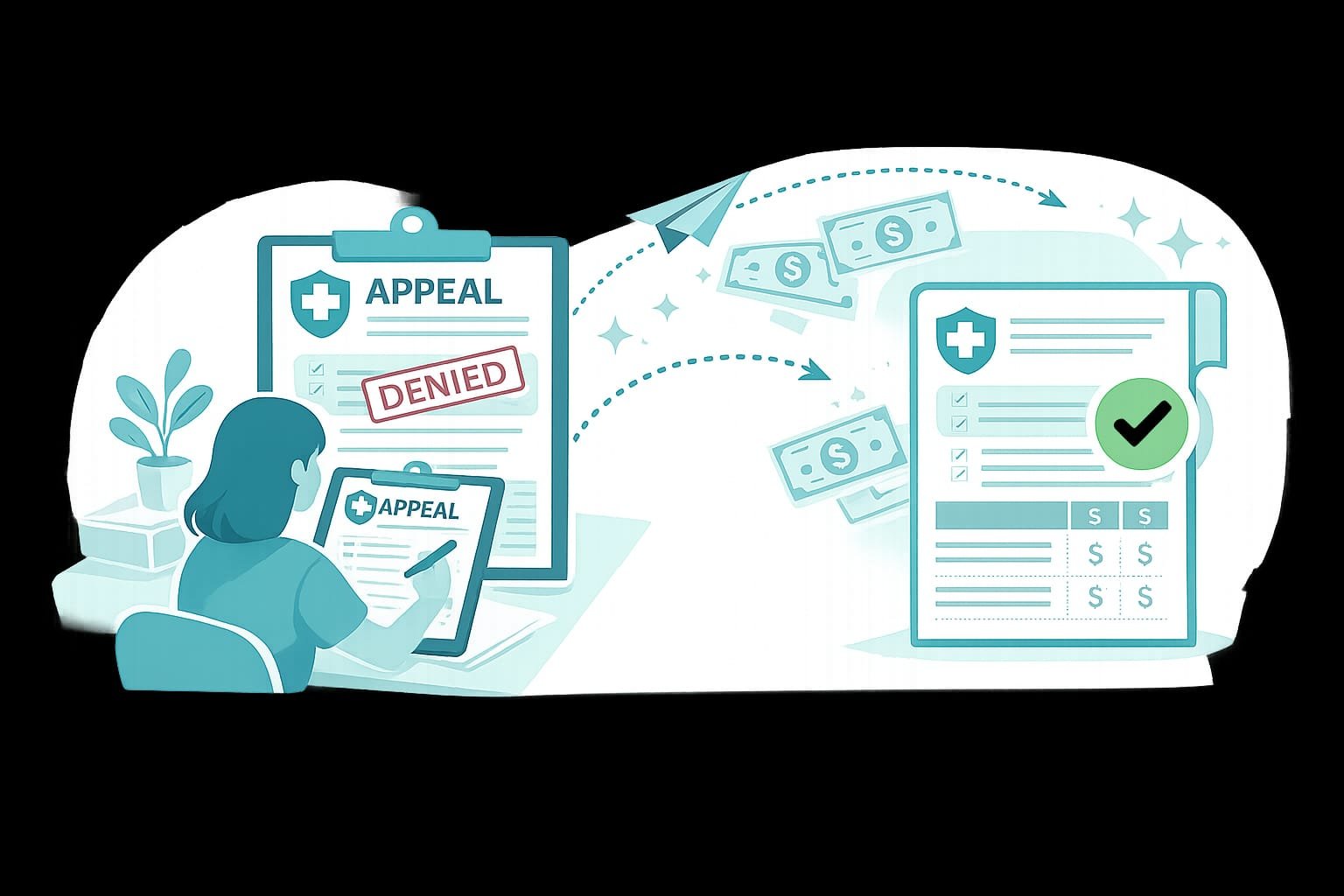
Health insurance denials are not final decisions — they are starting points for negotiation. According to the Kaiser Family Foundation, insurance companies deny approximately 17% of in-network claims. Of those denials, less than 0.2% are appealed — yet when patients do appeal, they win 60% of the time. The gap between denial rate and appeal rate is one of the most significant and correctable financial literacy gaps in American healthcare.
Types of Insurance Denials
Understanding why your claim was denied helps you choose the most effective appeal strategy:
- Prior authorization denial: Claim denied because pre-approval wasn’t obtained or was obtained incorrectly. Often overturned when proper authorization is documented or retroactive authorization is obtained.
- Medical necessity denial: Insurer determined the treatment wasn’t medically necessary for your diagnosis. Most common denial type and most successfully appealed with physician documentation.
- Experimental/investigational denial: Treatment classified as experimental. Requires clinical evidence and physician advocacy in the appeal.
- Out-of-network denial: Service processed as out-of-network. Often resolved by demonstrating the provider was in-network or that No Surprises Act protections apply.
- Eligibility denial: Claim denied because insurer doesn’t show you were covered on the date of service. Requires coverage verification documentation.
- Coding/billing error denial: Claim denied because of incorrect procedure or diagnosis codes. Resolved by having the provider resubmit with corrected codes.
Step 1: Get the Denial Letter and EOB
Your insurer must send you a written denial notice explaining: the specific reason for denial, the specific claim or service denied, the policy provision they’re citing, and your rights to appeal. Review this alongside your Explanation of Benefits (see our EOB guide). The denial reason code and cited policy provision are your starting points for building the appeal.
Step 2: Understand Your Appeal Rights and Timeline
Under the ACA and ERISA:
- You have at least 180 days to file an internal appeal for most claims
- Urgent/concurrent care denials: 72 hours for internal appeal, expedited process
- Insurers must decide internal appeals within 30 days (non-urgent) or 72 hours (urgent)
- You have the right to an External Review after exhausting internal appeals (or if the insurer takes too long)
- External Reviews are conducted by independent organizations — your insurer cannot influence the outcome
Step 3: Gather Supporting Documentation
The strength of your appeal depends on your documentation:
- For medical necessity denials: Clinical notes from your treating physician, peer-reviewed medical literature supporting the treatment, treatment guidelines from relevant specialty organizations (e.g., American Cancer Society, American College of Cardiology)
- For prior authorization denials: Authorization numbers, dates of authorization calls, documentation of any miscommunication
- For experimental treatment denials: FDA approval status, clinical trial data, letters from your oncologist or specialist explaining clinical rationale
- For all appeals: Your complete medical history relevant to the claim, physician letters of medical necessity, relevant EOBs and denial letters
Step 4: Write Your Appeal Letter
Your appeal letter should be professional, factual, and specific. Include:
- Your name, member ID, and claim number
- Date of service and provider name
- Clear statement: “I am appealing the denial of claim [NUMBER] dated [DATE]”
- Specific response to the denial reason cited
- Supporting evidence (attached documentation)
- Request for specific action (“Please approve this claim and reimburse [amount]”)
Sample Appeal Opening for Medical Necessity Denial:
“I am writing to appeal the denial of claim [NUMBER] for [SERVICE] provided on [DATE] by [PROVIDER NAME]. The claim was denied citing “not medically necessary” under policy provision [PROVISION NUMBER]. I respectfully disagree with this determination for the following clinical reasons: [SPECIFIC REASONS SUPPORTED BY DOCUMENTATION]. My treating physician, [DR. NAME], has indicated this treatment is medically necessary based on [SPECIFIC CLINICAL BASIS]. Please see the attached letter of medical necessity and supporting clinical documentation.”
Step 5: Submit and Track Your Appeal
Submit by certified mail to the address specified on your denial letter. Keep a copy of everything. Note your submission date and the deadline for the insurer’s response. If the insurer doesn’t respond within the required timeframe, this itself may be grounds for automatic approval in some states.
Step 6: Request External Review If Needed
If your internal appeal is denied (or if the insurer takes more than the required time to respond), request an External Review. External reviewers are independent — they are not employed by or financially connected to your insurer. The external review process has approximately a 40% overturn rate for appropriately appealed cases.
For employer-sponsored plans, file your external review request with your state insurance commissioner or with ERISA via the Department of Labor. For marketplace plans, contact your state insurance commissioner.
Frequently Asked Questions
Should I involve my doctor in the appeal?
Absolutely yes. Physician involvement dramatically improves appeal outcomes — particularly for medical necessity denials. Ask your doctor to write a detailed letter of medical necessity explaining: the clinical basis for the treatment, why alternative treatments are not appropriate for your specific situation, the peer-reviewed evidence supporting this approach. Many physicians are experienced with insurance appeals and can provide effective letters.
What if my insurer’s peer reviewer is a physician in a different specialty?
This is common and often a valid appeal ground. Request information about the credentials of the physician who made the medical necessity determination. If an internal medicine physician denied a claim for specialized neurosurgery, for example, requesting a specialty-matched reviewer is a reasonable appeal argument.
Can I appeal on behalf of a family member?
Yes, with appropriate authorization. Insurance companies accept appeals from authorized representatives, including family members with written authorization. Some states allow patient advocates to appeal on a patient’s behalf.
Conclusion
Insurance denials are not the end of the road — they are an administrative decision that a majority of the time can be changed with the right documentation and persistence. The 60% internal appeal success rate is remarkable considering how few patients even file appeals. If your claim was denied, you have nothing to lose by appealing and statistically more than a coin flip’s chance of winning. Start with understanding the specific denial reason, gather physician documentation, and submit a factual, evidence-based appeal letter. Combined with the strategies in this guide and our resources on negotiating medical bills, you have a comprehensive toolkit for fighting healthcare costs.