Best Medical Bill Advocates: Are They Worth the Cost?
Most people try to handle medical bills alone — and most people leave significant money on the table as a result. A medical bill advocate can do what you can’t: review bills with expert eyes, know exactly which charges to challenge, and negotiate from a position of experience.
But are they worth it? And when do you actually need one?
What Does a Medical Bill Advocate Do?
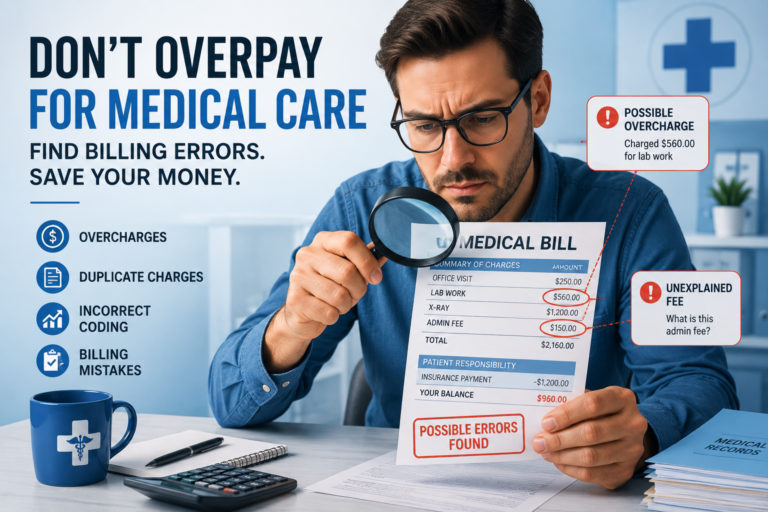
- Reviews your itemized bill line by line for errors, duplicate charges, and upcoding
- Compares charges against fair market rates using industry databases
- Negotiates directly with hospital billing departments and collection agencies
- Navigates insurance claim denials and appeals
- Applies for financial assistance programs on your behalf
- Sets up payment arrangements if a balance remains
How Much Do They Cost?
Most medical bill advocates work on contingency — they take a percentage (typically 25–35%) of whatever they save you. If they save you $5,000, they keep $1,250–$1,750. You pay nothing if they save nothing.
Some charge hourly rates ($75–$200/hour) for consulting on complex cases like insurance appeals.
How Much Can They Actually Save?
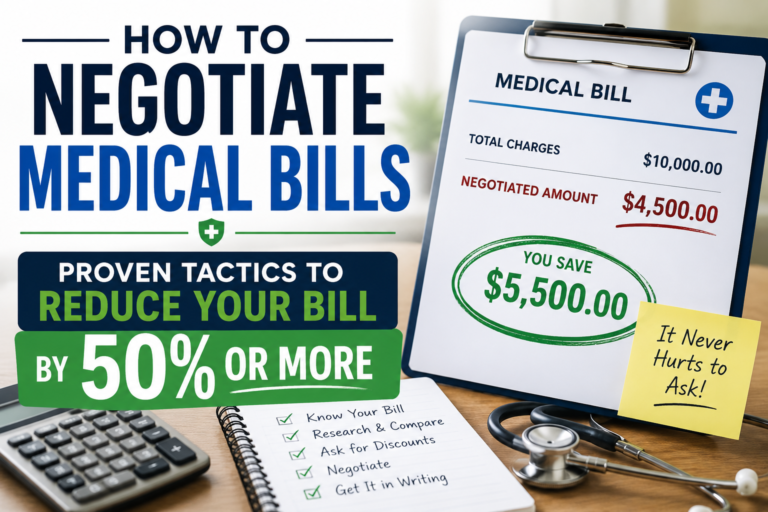
Studies and industry reports suggest professional advocates save clients 30–50% of the original bill on average. On a $20,000 hospital bill, that’s $6,000–$10,000 saved — even after their fee.
When Is a Medical Bill Advocate Worth It?
Consider hiring one if:
- Your bill is $5,000 or more
- You’ve already tried negotiating and been refused
- You have a complex case involving multiple providers or insurance disputes
- You’re facing collections on a medical debt
- You don’t have time or confidence to navigate the system yourself
Free Alternatives First
Before hiring a paid advocate, try these free resources:
- Patient Advocate Foundation (patientadvocate.org) — free case management for serious illnesses
- Your hospital’s patient advocate — most large hospitals have one on staff
- State insurance commissioner — for insurance dispute issues
- Nonprofit credit counseling agencies — can help with medical debt management plans
The Bottom Line
For large medical bills, a professional advocate almost always pays for themselves many times over. The key is using free resources first for smaller bills and bringing in professional help when the stakes are high enough to justify the fee.