What to Do When You Can’t Pay a Hospital Bill
Getting a hospital bill you can’t afford is one of the most stressful financial experiences there is. You’re already dealing with a health crisis — the last thing you need is financial panic on top of it.
The good news: you have more options than you think. Here’s what to do, step by step.
Step 1: Don’t Ignore the Bill
Ignoring a medical bill won’t make it go away — it will eventually go to collections, which damages your credit and limits your options. Contact the billing department early, even if you have no idea how you’ll pay.
Step 2: Ask for an Itemized Bill and Check for Errors
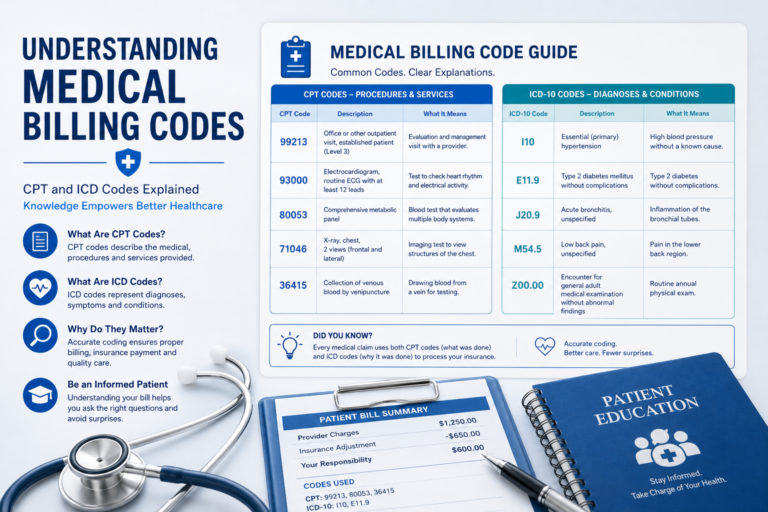
Before paying anything, request a complete itemized bill. Medical billing errors are extremely common — studies estimate up to 80% of bills contain at least one mistake. Catching errors can reduce your bill significantly before you even start negotiating.
Step 3: Apply for Financial Assistance
Ask the hospital billing department about charity care or financial assistance programs. Most nonprofit hospitals are required to have them. Many people who qualify never apply simply because they didn’t know to ask.
Step 4: Set Up a Payment Plan
If you don’t qualify for charity care, ask for a payment plan. Hospitals almost always agree — even $25 or $50 per month keeps the account current and out of collections. Always ask for interest-free installments.
Step 5: Negotiate a Settlement
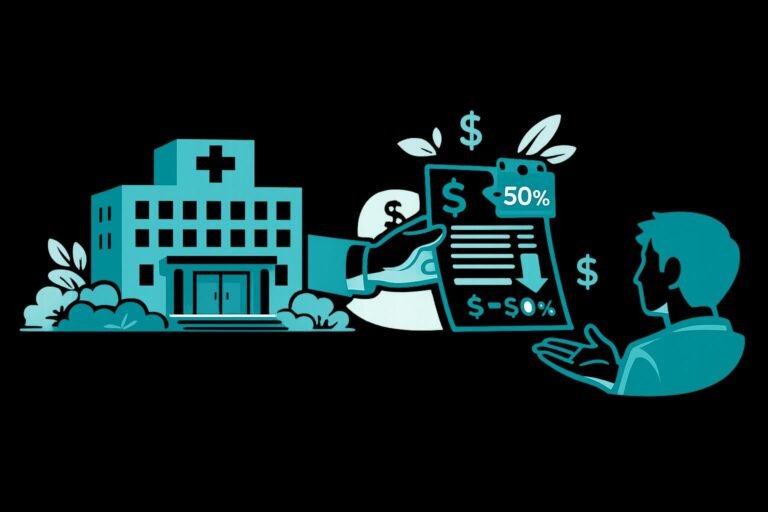
If you have some money available but not the full amount, offer a lump-sum settlement. Hospitals that have been unable to collect often accept 40–60% of the original bill to close the account. Always get any settlement agreement in writing before paying.
Step 6: Know Your Rights Around Collections
Under new CFPB rules (effective 2025), medical debt under $500 cannot appear on credit reports. Debt between $500 and $2,500 has additional protections. Collectors must follow the Fair Debt Collection Practices Act — they cannot call before 8am or after 9pm, cannot threaten you, and must stop contact if you request it in writing.
Step 7: Consider Medical Bankruptcy as a Last Resort
Medical debt is dischargeable in bankruptcy. Chapter 7 bankruptcy can eliminate medical debt entirely within 3–6 months. While this impacts your credit significantly, it may be the right choice if medical bills have become truly unmanageable.
Before taking that step, consult with a nonprofit credit counseling agency — they can often find options you haven’t considered.