How to Read and Dispute a Medical Bill (Line by Line)
The average medical bill is filled with codes, abbreviations, and charges that make no sense to a normal person. That confusion is expensive — it leads most people to simply pay whatever they’re told without question.
This guide will show you how to read your medical bill like a professional and dispute any charges that don’t belong.
Get the Right Document First
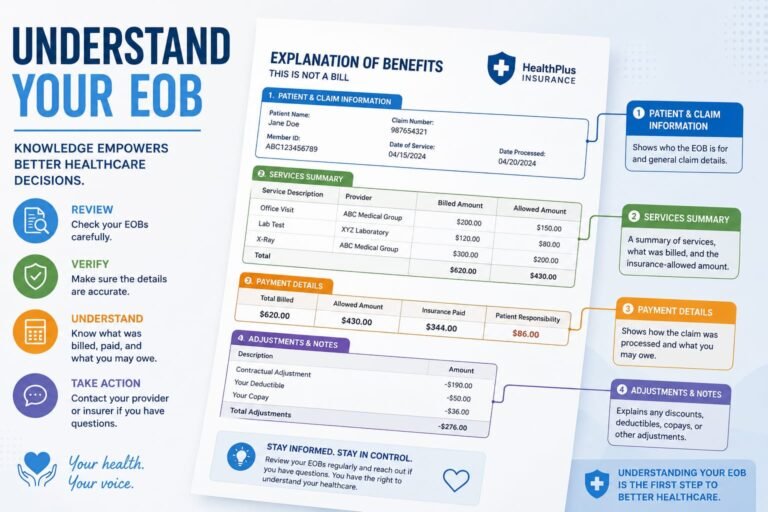
The bill you receive in the mail is usually a summary — not the real bill. Call the billing department and request a complete itemized statement with CPT codes. CPT (Current Procedural Terminology) codes are standardized codes that identify exactly what procedure was performed and what it should cost.
The Most Common Medical Billing Errors
- Duplicate charges: The same service billed twice — common with medications and lab tests
- Upcoding: Billing for a more complex (expensive) procedure than was actually performed
- Unbundling: Billing for individual components of a procedure that should be billed as one package
- Services not rendered: Being charged for consultations or tests that never happened
- Wrong patient information: Errors in your name, date of birth, or insurance ID that cause claim rejections
- Incorrect diagnosis codes: Wrong ICD codes that affect how insurance processes the claim
How to Look Up What Each Charge Should Cost
Take the CPT code from your bill and look it up at fairhealthconsumer.org or healthcarebluebook.com. Enter your zip code to see the fair market price for that procedure in your area.
If the hospital charged $1,200 for a procedure that typically costs $300 in your area, that’s a red flag worth disputing.
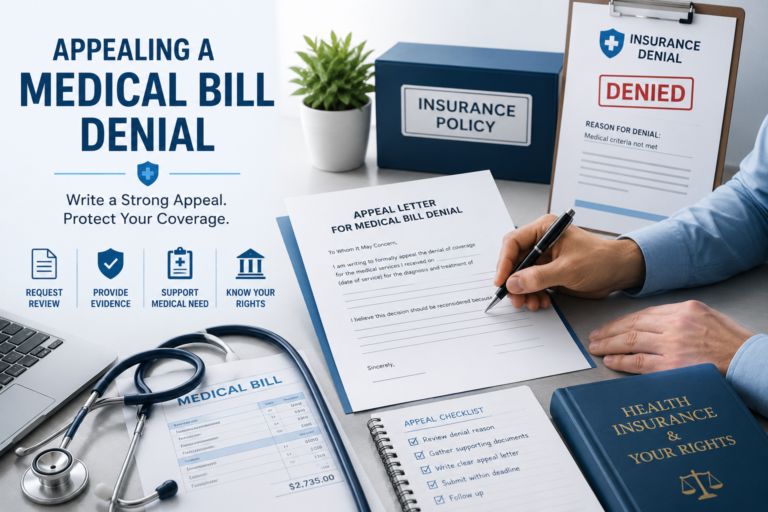
How to File a Dispute
- Write a letter (or call) the billing department identifying the specific charge you’re disputing and why
- Reference the CPT code and the fair market price you found
- Ask them to review and correct the charge
- If they refuse, ask to escalate to a billing supervisor or patient advocate
- If still unresolved, file a complaint with your state insurance commissioner or hospital accreditation body
Keep Everything in Writing
Document every conversation — date, time, name of representative, and what was said. If you dispute in writing, send via certified mail with return receipt. This paper trail protects you if the dispute escalates.
What If You Already Paid?
You can still dispute and request a refund for up to 3 years after payment in most states. If errors are found after payment, hospitals are required to issue refunds.