My Hospital Sent Me a $14,000 Bill — Here Is Exactly How I Got It Down to $900
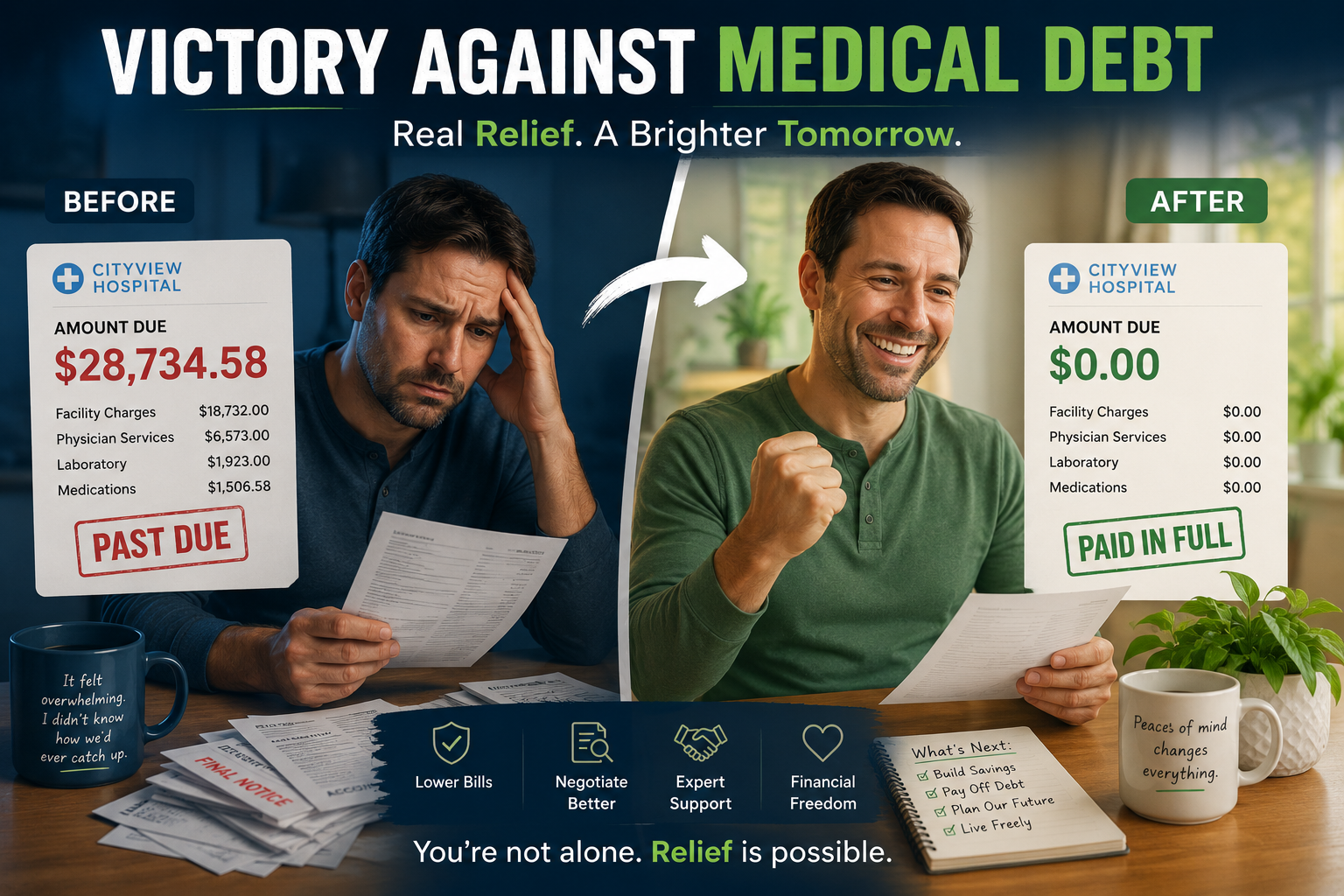
The envelope arrived on a Thursday. I remember because I was already having a bad week. Inside was a statement from the hospital — $14,247. For a procedure that lasted less than two hours. I sat at my kitchen table for a while just staring at it.
What I did not know at that moment was that I would end up paying $900. Not because I got lucky or found a loophole. Because I learned how medical billing actually works, and I used that knowledge systematically. This is exactly what I did.
Important disclaimer: This is my personal experience and not financial or legal advice. Your situation will differ. Always verify information with qualified professionals.
Step One — I Did Not Panic and I Did Not Pay Immediately
The first thing I want to tell you is this: a hospital bill is not like a utility bill. You do not have to pay it immediately, and paying it immediately before you understand it is often a significant mistake. Hospitals know that people who receive large bills often panic and either ignore them entirely or pay quickly just to make the anxiety stop. Both responses cost you money.
I gave myself three days to calm down and then I started working the problem systematically.
Step Two — I Requested the Itemized Bill
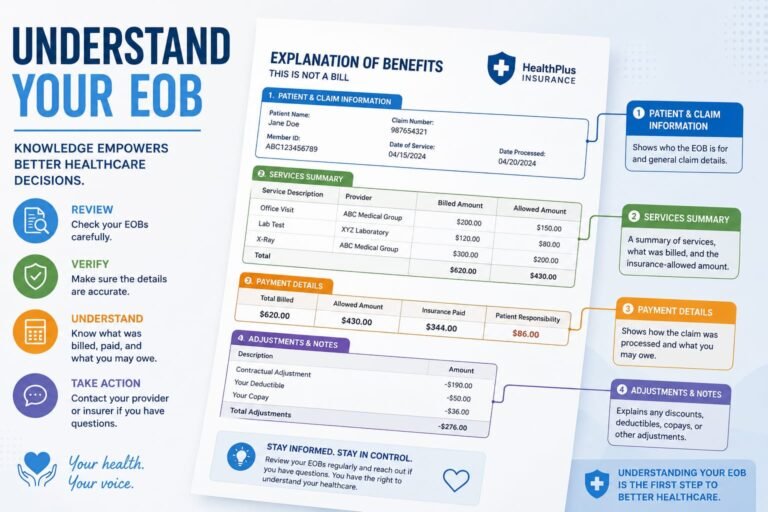
The statement I had received was a summary — it showed totals but not the individual charges. I called the hospital billing department and asked specifically for an itemized bill. This is your legal right. They sent it within a week. It was eleven pages long.
Going through it line by line took about two hours. What I found: two charges for the same supply item on the same day, a charge for a consultation with a physician I had no memory of meeting, a medication charge for something I had not received according to my discharge notes, and a room and board charge that seemed unusually high for the hours I was actually there.
I flagged each of these. I did not yet know which were errors and which might have legitimate explanations. But I had a specific list of questions.
Step Three — I Requested My Medical Records
To verify the billing I needed my medical records. I requested them from the hospital’s medical records department — again your legal right, though there may be a small copying fee. I specifically requested the records covering my procedure date.
Comparing the medical records to the itemized bill confirmed: the duplicate supply charge was a billing error, there was no documentation of the consultation I had been billed for, and the medication charge did not appear in my medication administration records. Three confirmed errors totaling approximately $1,800.
Step Four — I Applied for Financial Assistance Before Doing Anything Else
This is the step most people skip entirely because they do not know it exists. Every nonprofit hospital in the United States is legally required to offer financial assistance programs to patients who cannot afford their bills. These programs — often called charity care — are not advertised prominently. You have to ask.
I called the hospital billing department and said: “I would like to apply for your financial assistance or charity care program. Can you send me the application?” They did. The application asked for proof of income and household size. I qualified for a significant reduction — the hospital’s program covered patients up to 350 percent of the federal poverty level, which included my situation at the time.
The financial assistance alone reduced my bill by approximately $9,000 before we even addressed the billing errors.
Step Five — I Disputed the Billing Errors in Writing
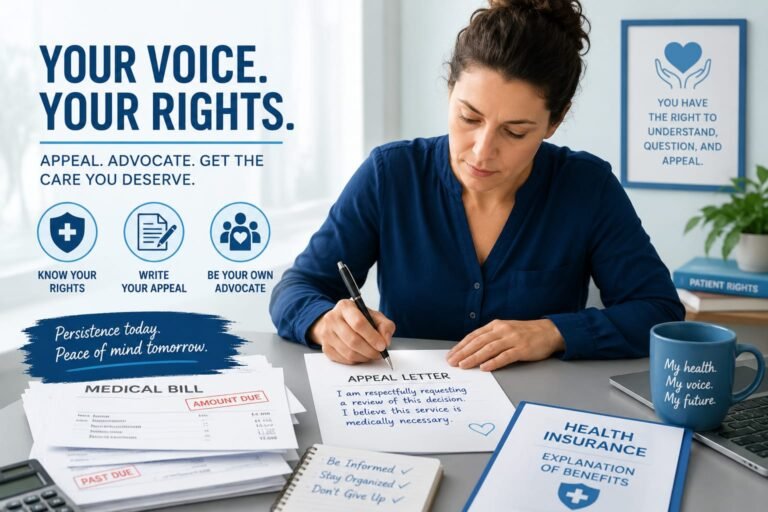
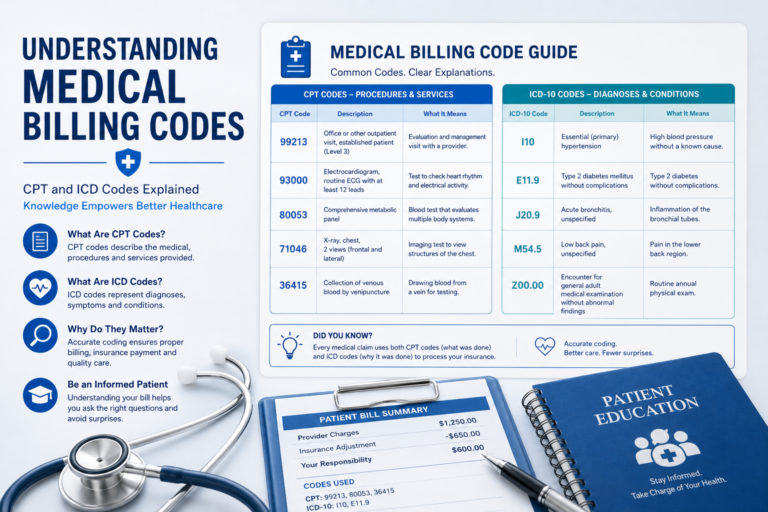
I wrote a letter to the billing department identifying each disputed charge by line item, procedure code, and date. For each one I cited the specific reason for my dispute — duplicate charge, no documentation in records, medication not reflected in medication administration record. I requested a written response and a corrected bill.
The response came three weeks later. Two of the three disputed charges were removed without argument. The third — the consultation charge — required a follow-up call where I referenced the medical records again. It was eventually credited.
Step Six — I Negotiated the Remaining Balance
After financial assistance and error corrections, my remaining balance was approximately $1,400. I called the billing department one more time and made a specific offer: I would pay $900 as a lump sum settlement if they would accept that as payment in full and close the account.
The representative put me on hold for several minutes. Then she said yes.
Before paying a single dollar I asked her to send me written confirmation that $900 would satisfy the account in full. I did not pay until I had that confirmation in writing. Then I paid.
What I Learned That Changes How I Think About Medical Bills
The experience fundamentally changed how I approach medical billing. What I now know: almost everything is negotiable, especially at nonprofit hospitals. Errors are genuinely common — some studies suggest the majority of complex medical bills contain at least one error. Financial assistance programs exist everywhere and most people who qualify never apply because they do not know to ask.
The people in billing departments are not your enemies. They are doing a job. Approaching the conversation professionally, specifically, and in writing gets better results than anger or frustration. The moment I started treating it as a problem to solve rather than an injustice to fight, things moved forward.
The Process Summarized
For anyone facing a large medical bill: do not panic and do not pay immediately. Request the itemized bill and your medical records. Compare them line by line and flag anything that does not match or seems wrong. Apply for the hospital’s financial assistance program before negotiating anything else. Dispute confirmed errors in writing with specific references to your records. Negotiate any remaining balance with a lump sum offer. Get any settlement in writing before paying.
This process takes time — several weeks from start to finish in my case. But the financial result made every hour worthwhile.
Frequently Asked Questions
Will the hospital report me to collections while I am doing this? Not if you are communicating actively about the bill. Hospitals typically do not refer accounts to collections while a billing dispute or financial assistance application is actively in process. Stay in communication.
What if I already paid the bill? You can still request an itemized bill and dispute errors. If confirmed errors are found, hospitals are obligated to refund overbilling.
Does this work for smaller bills too? The same principles apply to any medical bill. Financial assistance programs apply to hospital bills specifically. Error checking applies to any itemized medical bill from any provider.
What if the hospital refuses to work with me? Escalate to a supervisor. Contact your state insurance commissioner if insurance was involved. Consider a patient advocate — many work on contingency and charge nothing upfront.
Conclusion
$14,247 became $900 not through luck but through a systematic process that anyone can follow. The hospital billing system is complicated and the billing is often wrong. But the tools to fight it are available to anyone willing to use them. Request the itemized bill. Apply for assistance. Dispute errors in writing. Negotiate the rest. And never pay a large medical bill from a summary statement without understanding exactly what you are paying for.