Medical Debt Collections: Your Rights and How to Handle Collectors in 2026
L
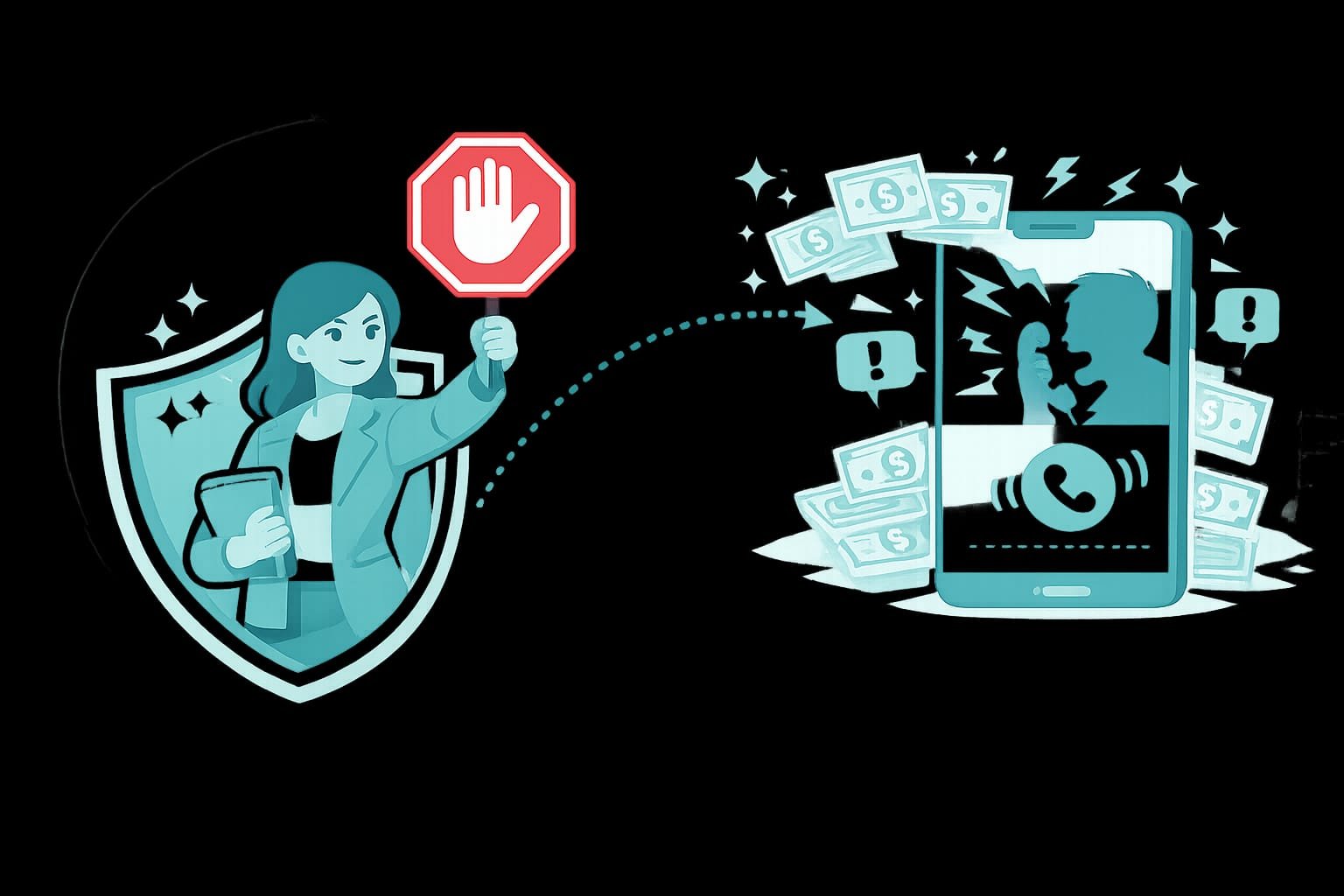
Receiving calls from debt collectors about medical bills is stressful — but knowing your legal rights transforms the experience from overwhelming to manageable. The Fair Debt Collection Practices Act (FDCPA), combined with significant 2025–2026 CFPB rulemaking on medical debt, gives patients powerful protections that most collectors never mention. This guide tells you exactly what collectors can and cannot do, and what you can do about it.
What Debt Collectors Cannot Do (FDCPA Protections)
The Fair Debt Collection Practices Act prohibits debt collectors from:
- Calling before 8 AM or after 9 PM in your time zone
- Calling your workplace if they know your employer prohibits it
- Contacting you after you send a written cease-communication request
- Using abusive, threatening, or harassing language
- Making false representations (claiming to be attorneys or government officials, misrepresenting the amount owed)
- Threatening legal action they don’t intend to take or cannot legally take
- Discussing your debt with third parties (except your spouse or attorney)
- Continuing collection activity after you dispute the debt in writing without first verifying the debt
Your Most Powerful Tool: The Debt Validation Letter
Within 5 days of first contacting you, a debt collector must send a written notice including the amount of the debt, the name of the original creditor, and information about your right to dispute. Within 30 days of receiving this notice, you can demand debt validation — a written verification of the debt including the original creditor’s records, the original amount, and confirmation that the collector has the right to collect it. During validation, the collector must stop all collection activity. Many medical debt collections simply disappear when validation is demanded because the collector cannot produce adequate documentation.
Debt Validation Letter Template:
“[Date] | [Your name and address] | RE: Account # [ACCOUNT NUMBER]
I am writing in response to your communication regarding the above-referenced account. I am exercising my right under the Fair Debt Collection Practices Act, 15 U.S.C. § 1692g, to request verification of this debt. Please provide: (1) the amount of the debt claimed, (2) the name and address of the original creditor, (3) proof that your agency is licensed to collect debts in my state, and (4) a copy of any agreement authorizing your agency to collect this debt. Until this verification is provided, all collection activity must cease. Send all correspondence in writing to the address above. Sincerely, [Your name]”
Can You Stop Collection Calls Entirely?
Yes — by sending a written “cease communication” letter. Under the FDCPA, once you send a written request to stop all communication, the collector can only contact you to: acknowledge receipt, inform you that collection activity will cease, or notify you of specific actions they intend to take (filing suit). They cannot call you again for the purpose of debt collection. Send via certified mail.
Important: a cease communication letter doesn’t make the debt disappear — it stops the calls. The collector can still report the debt to credit bureaus (subject to credit reporting rules) and could file a lawsuit. Stopping calls buys you time to assess your options: negotiate, apply for financial assistance, or evaluate bankruptcy.
Medical-Specific Collection Protections in 2026
Beyond FDCPA, medical debt has additional protections:
- Charity care prerequisite: Nonprofit hospitals must make reasonable efforts to screen patients for financial assistance eligibility BEFORE sending accounts to collections. If a hospital sent your bill to collections without offering charity care, this may be a 501(r) violation.
- 12-month reporting moratorium: New CFPB guidance effectively prevents most medical debt from being reported to credit bureaus until 12 months after the original delinquency — giving you time to resolve without credit damage.
- No coercive billing during emergency treatment: Hospitals cannot demand payment or payment plan agreements as a condition of emergency care.
Negotiating With Medical Debt Collectors
If a debt has been transferred to collections, you’re dealing with a different entity than the original hospital. Collection agencies typically purchase medical debts for 3–7 cents on the dollar. This means a $5,000 medical debt may have been purchased for $150–$350 — giving the collector enormous room to negotiate.
Negotiation strategy: offer 25–35% of the balance as a lump sum settlement. Most medical debt collectors will accept 30–50 cents on the dollar for a prompt payment. Always:
- Get the settlement agreement in writing before paying — specifically that it “settles the account in full and constitutes final satisfaction”
- Ask how it will be reported to credit bureaus — request “paid/settled” rather than leaving an active collection notation
- Pay by check or money order for paper documentation — not by giving your bank account number directly
For comprehensive negotiation tactics, see our guide on how to negotiate medical bills.
When Collectors Cross the Line: How to Report Violations
If a collector violates the FDCPA, you have the right to sue for actual damages plus up to $1,000 in statutory damages plus attorney’s fees. You can also file complaints with:
- CFPB: consumerfinance.gov/complaint
- FTC: reportfraud.ftc.gov
- Your state attorney general’s consumer protection division
Many consumer attorneys take FDCPA violation cases on contingency — meaning no upfront cost to you. The statutory damages ($1,000) and mandatory attorney’s fees under the FDCPA make these cases financially viable for attorneys to pursue.
Frequently Asked Questions
How long can collectors try to collect medical debt?
The statute of limitations for medical debt varies by state: typically 3–6 years from the date of service or last payment. After the SOL expires, collectors cannot sue you to collect. They can still contact you, but you have a complete legal defense to any lawsuit.
Can I go to jail for not paying medical debt?
No. Unpaid medical debt is civil, not criminal. Debtors’ prisons were abolished in the 19th century. Any collector who threatens arrest for non-payment of a medical bill is committing an FDCPA violation.
Should I use a credit counseling agency to handle medical collections?
For medical debt specifically, direct negotiation (using the strategies above) typically achieves better results than paying a credit counseling agency to negotiate on your behalf. Nonprofit credit counseling agencies (NFCC members) offer free initial consultations if you want professional guidance.
Conclusion
Medical debt collectors operate within a legal framework that gives patients significant protections — but those protections only work when patients know about them and exercise them. The FDCPA, combined with medical-specific protections around charity care and credit reporting, gives you a meaningful toolkit: validate the debt, negotiate from a position of knowledge, stop harassing calls if needed, and report violations when they occur. The financial stakes of medical debt are too high to navigate passively. Take control of the process using these tools.
Free Debt Collector Rights Guide
Complete FDCPA rights guide + debt validation letter template.