How to Negotiate Your Medical Bill Down: Scripts That Work
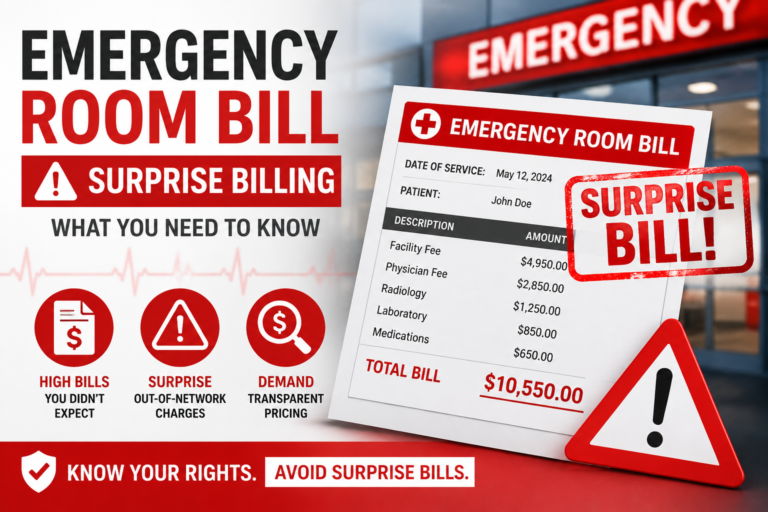
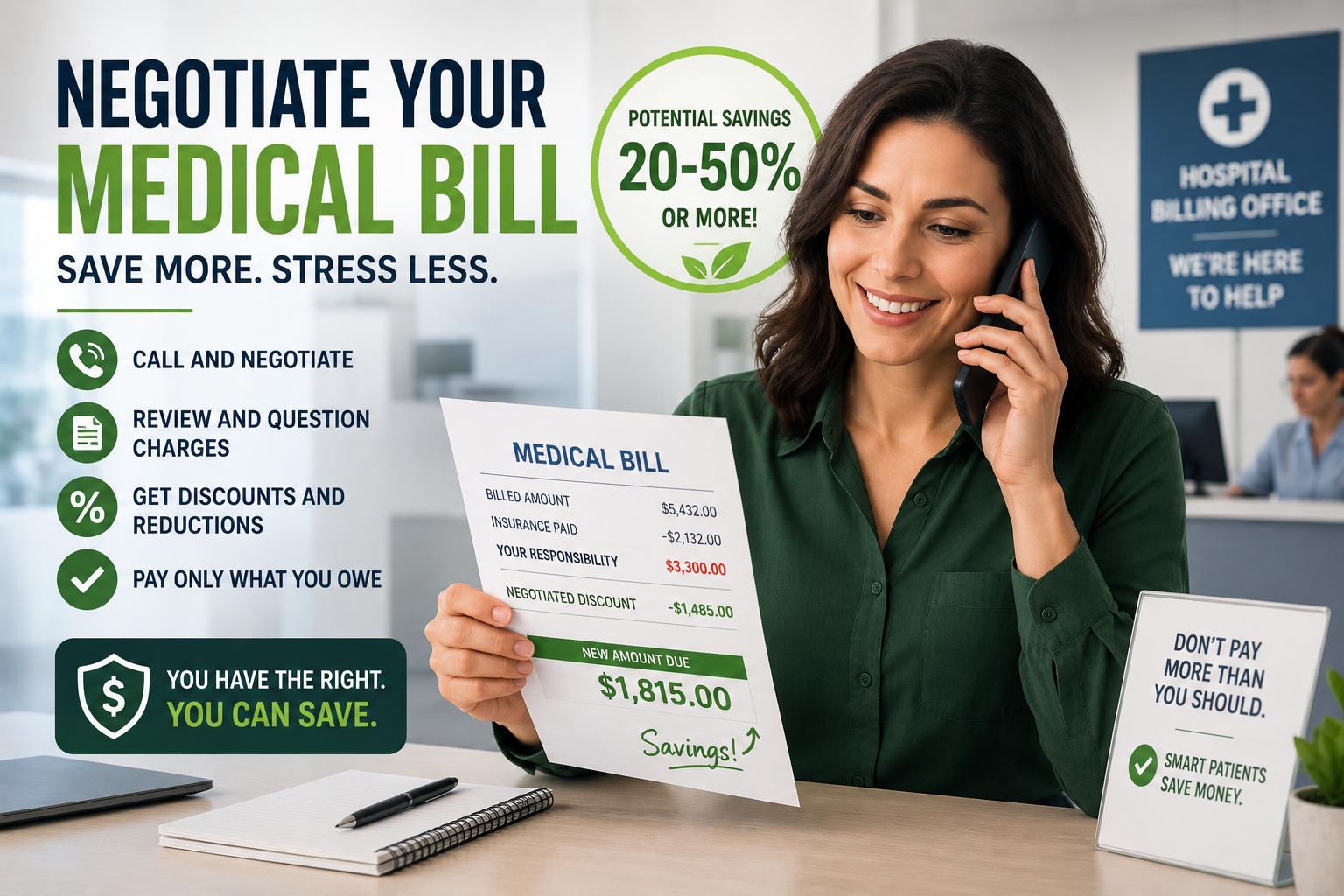
Most patients assume medical bills are fixed and non-negotiable. This assumption costs Americans billions of dollars every year. The truth is that hospitals negotiate medical bills routinely — with insurance companies, with government programs, and with individual patients who know how to ask. This guide gives you the exact scripts and strategies to negotiate your medical bills down to a more manageable amount.
Disclaimer: This content is for educational purposes only. Results vary based on individual circumstances, hospital policies, and financial situations.
Why Hospitals Will Negotiate With You
Hospitals charge different rates to different payers. Insurance companies negotiate discounts of 40 to 70 percent off the standard chargemaster rate. Medicare pays even less. When an uninsured or underinsured patient cannot pay, hospitals receive nothing or incur collection costs. A negotiated reduced payment is often better for the hospital than pursuing full payment through collections. Understanding this gives you real negotiating power.
Before You Call — Gather Your Information
Have your itemized bill in front of you. Know your total balance. Know your income situation — if you are in financial hardship, be prepared to state this clearly. Research what Medicare pays for the same services — you can find this at cms.gov. Medicare rates give you a benchmark for what is considered reasonable payment for a procedure.
Script 1 — The Financial Hardship Approach
“Hello, I am calling about my account number [X]. I received a bill for [amount] and I am genuinely unable to pay this amount. I would like to discuss a reduced settlement or a payment plan. I want to resolve this account — I just need help making it manageable. Can you tell me about your financial assistance programs or hardship discount options?”
This script works because it positions you as willing to pay while being honest about your limitations. Most hospitals have financial assistance programs they are required to offer but do not proactively advertise.
Script 2 — The Lump Sum Settlement Approach
“I have [amount] available right now that I can pay as a lump sum settlement to close this account. I cannot pay the full balance but I can pay this amount today if we can agree it settles the account in full. Would that work?”
Lump sum settlements are often accepted at 40 to 60 percent of the original balance. Hospitals prefer immediate payment over long payment plans or potential collection. Have your settlement amount ready before calling.
Script 3 — The Medicare Rate Approach
“I have researched what Medicare pays for these services and I understand it is significantly lower than what I have been billed. I would like to pay the Medicare rate for these services. Can you apply that adjustment to my account?”
Some hospitals will agree to Medicare rates for uninsured patients. Even if they do not agree fully, this opens a negotiation based on a legitimate benchmark rather than arbitrary demands.
What to Do If They Say No
Ask to speak with a supervisor or the financial counseling department. Billing representatives often have limited authority. Supervisors and financial counselors typically have more flexibility. Also ask specifically: “Does your hospital have a charity care program?” and “What is the income threshold for financial assistance?” Many hospitals are required by law to offer charity care but will not volunteer this information.
Always Get Agreements in Writing
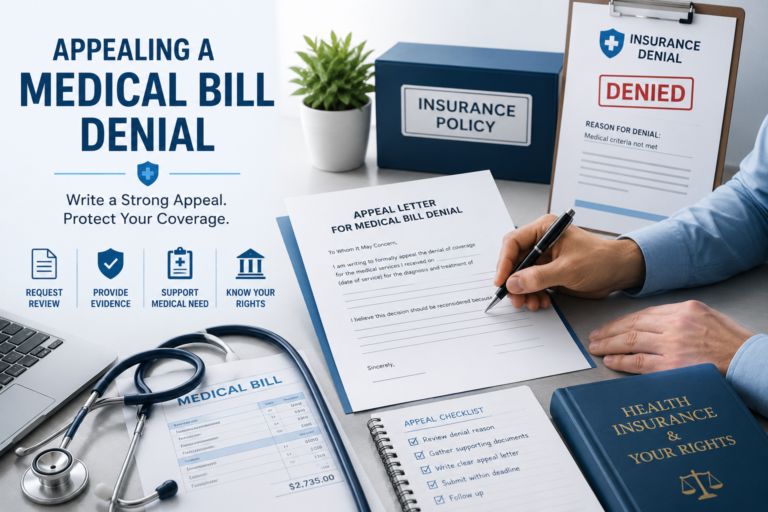
Before making any payment based on a negotiated agreement, get the terms in writing. Ask them to send you a letter confirming the settlement amount and that payment will satisfy the account in full. Never pay a negotiated settlement without written confirmation — verbal agreements are difficult to enforce.
Conclusion
Negotiating medical bills is a legitimate, legal, and common practice that most patients never attempt. With the right approach and the right words, significant reductions are possible. Prepare thoroughly, be polite but persistent, use the scripts provided, and always get agreements in writing. Your medical bill is very often not the final word on what you owe.